

Total Visitors
- 5,594,670
Search Inside
My You Tube Channel
-
Visitors on The Site

-
Join 6,678 other subscribers
Fill This Form to Contact Me
Top Posts & Pages
- Waste to Energy in India
- About Me and This Site
- Levant: The Term, The Region and Cities
- Migration Theories : Lee’s Push Pull Theory
- Gond Tribe of India
- Social Processes: Concept, Types and Salient Features
- Santhal:Largest Tribal Community in India
- Discontinuities Inside the Earth
- Gujjar Tribe
- What is Soil?: Definition, Composition, Types and Functions
Being Social
Pages
- Article Submission
- Basics of Geography
- Book Reviews
- Disaster Management
- Field Training and Tour
- Geography Notes
- Geography of Tourism
- Geography Study Material for NTA-NET & IAS Exams
- Geomorphology
- Geomorphology Class Black Board
- Hindi Posts
- Human Geography
- My Projects
- New UGC NET Syllabus-Geography
- Online Class
- Posts on Geography Practicals and Statistical Techniques
- Regional Studies
- Settlement Geography
- Social Geography
- Urban Agro Systems
- Urban Systems
- Useful Links
- Water Resources
- About Me and This Site
Blogroll
Digital Blackboards
My Pages
Other Sites I Am Involved With
Recommended Links
Useful Links
World’s most sustainable city — AJ Blythe

A study run by UK company, Uswitch, investigated a range of sustainability factors to determine the most sustainable city in the world. I’m not sure what makes Uswitch the company to do this (and therefore how credible the results are), but they used a number of factors in their consideration, including: Light rail is the […]
World’s most sustainable city — AJ Blythe | Aussie Cozy
Posted in earth
Leave a comment
Urban Sociology: Meaning, Features and Scope of Urban Sociology
Meaning of Urban Sociology: Urban Sociology is a branch of sociology which studies the influence of urban environment on man, his actions, relationships, institutions and modes of thinking, acting, behaving with others. The urban social milieu, the physical environment, the conditions that follow the socio-cultural and physical surroundings, the circumstances that are incumbent and the […]
Urban Sociology: Meaning, Features and Scope of Urban Sociology — ONLINE NOTE BANK
Posted in earth
Leave a comment
Healthy herbs & Fitness- Top 5 herbs with their ultimate benefit
Guest Post by Nancy R Fernandez
There are many natural herbs that have got a place in the lives of people. It’s due to their multiple health benefits. It’s obvious that if you can maintain good health by using natural herbal supplements, why won’t you do that? Health is everyone’s priority and people put a lot of effort into taking care of it. There are many medicinal herbs that are trending in the health industry and changing everyone’s life. Nature has given us a lot and the same goes for these medicinal herbs which come from the lap of nature. Nowadays, there are many health supplements that use a lot of chemicals to give health benefits that are for a short span of time, after that give side effects. This is not the issue to worry about when you try natural herbal supplements.
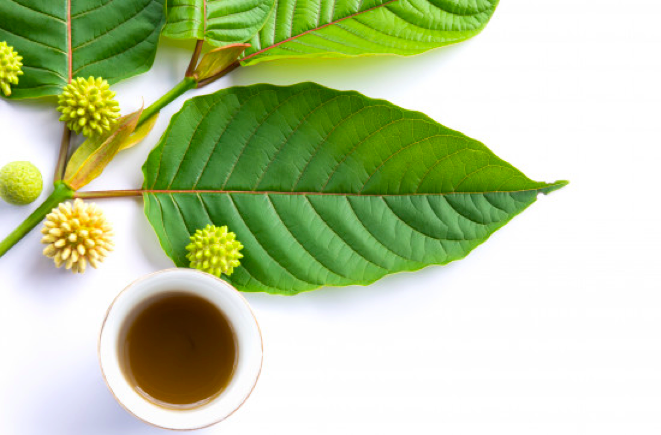
Kratom
Kratom is another natural herb that is known for its health-boosting benefits. It is a tree that is found in many countries like Thailand, Indonesia, and European countries. The leaves of kratom are used for medical purposes giving multiple health benefits to people.
There are mainly three types of kratom – red vein, green vein, and white vein kratom. Among all these, red veins are the most popular. The benefits of red vein kratom have made it to be everyone’s first choice. It is a strong strain and delivers soothing, calming, and mood-boosting benefits. You must assume that every person has a different ideal dose. Consult a doctor or medical expert to know your perfect dose. You can start from a lower dose and gradually increase it if required.
Parsley
Parsley is a very effective herb that can help you to boost your health. It is quite popularly used for cooking purposes. In fact, in addition to the benefits, it delivers it also adds a soothing taste to your food. It elevates the flavors of the dishes like fish recipes for soups. You can use parsley for garnishing and add it to your meal. Parsley is a highly nutritious herb and if you use it, it will benefit your health.

It’s most popular for hypertension. If you’re also facing the issue of Hyperion, you can start trying to use parsley. Add it into your routine food to get the benefits.
- High in antioxidants
- Consist of vitamin A and C
- Inhibits cancer cell growth
- Can make your heart healthy
- Help in lowering blood pressure
Ashwagandha
Ashwagandha is a popular natural herb that has originated as herbal ayurvedic medicine. It has many health benefits which are mentioned below:
- It is quite popular as ashwagandha supplements help to gain focus and fight anxiety.
- Acting as an adaptogen means maintaining the balance of different body systems.
- Supports nervous system
- Improves immunity
- Improves reproductive health
- Supports healthy fat oxidation
- Promotes sound sleep
- Calming down properties
Garlic

Garlic is a well-known herb which is known for its healing properties. It also shows anti-cancer effects. In addition, garlic cal helps you boost your health by delivering you relief from hypertension, cold problems. You can add garlic to your meal to get the benefits. Its soothing taste enhances the flavor of your food.
It’s commonly used in cooking and mixed in nearly every spicy food to improve its taste.
Chives

Chives are used in the garnishing of your dishes. It has multiple properties that can help you to improve your health and give you good immunity along with taste.
- Rich in vitamin C and A
- Antioxidant effect
- Reduces risk of gastric cancer
- Add flavor to your dish
Posted in earth
Leave a comment


