Day-Trippers and Domestic Tourism

A day-tripper is a visitor whose length of stay at a destination does not include an overnight at either a collective tourism establishment (e.g., hotels, camping sites) or in a private one (e.g., staying with friends or relatives). A day-tripper is also referred to as an excursionist or same-day visitor. 

While domestic tourism could be seen as less glamorous and dramatic than international traffic flows, it has been more important to more people over a longer period. Key phases in the pioneering development of tourism as a commercial phenomenon in Britain were driven by domestic demand and local journeys.

In an asian country like India domestic tourism is a vital part of tourism mix. The tourism industry is has emerged as one of the fastest-growing industries in the world and economically important for rapid growth for Asia. 

The World Tourism Organization, which tries to count tourists globally, is more concerned with the international scene, but across the globe, and perhaps especially in Asia, domestic tourism remains much more important in numerical terms than the international version. Relationship between culture and tourism is increasing and Asia is an interesting region to be in this regard.

European wars in the late 18th and early 19th centuries prompted the “discovery of Britain” and the rise of the Lake District and Scottish Highlands as destinations for both the upper classes and the aspiring classes. Scotland has many domestic tourist from London and other parts of UK.

The railways helped to open the seaside to working-class day-trippers and holidaymakers, especially in the last quarter of the 19th century. By 1914  Blackpool in Lancashire, the world’s first working-class seaside resort, had around four million visitors per summer. Coney Island in Brooklyn, New York, had more visitors by this time, but most were day-trippers who came from and returned to locations elsewhere in the New York City area by train the same day. Domestic tourism is less visible in statistical terms and tends to be serviced by regional, local, and small family-run enterprises.

Source(s):

Britannica

The SAGE International Encyclopedia of Travel and Tourism

Posted in earth | Leave a comment

World Tourism: Slogans and Logos Cities and Nations Use

Posted in earth | Leave a comment

Happy Independence Day: Do not Take your Independence and Freedom for Granted-Nurture it

Human’s has personality ,so Nations.

This is a small Prayer for our vibrant nation to have a Positive Personality.

May WE Wake Up to

Individual Freedom

Liberty

Peace

Unity

Secularism

Justice

and

Respect to Fellow Citizens

We should not Take your Independence and Freedom for Granted. We will have to Nurture it with all our might.

Posted in earth | Leave a comment

Rural-Urban Linkages: The Dynamics

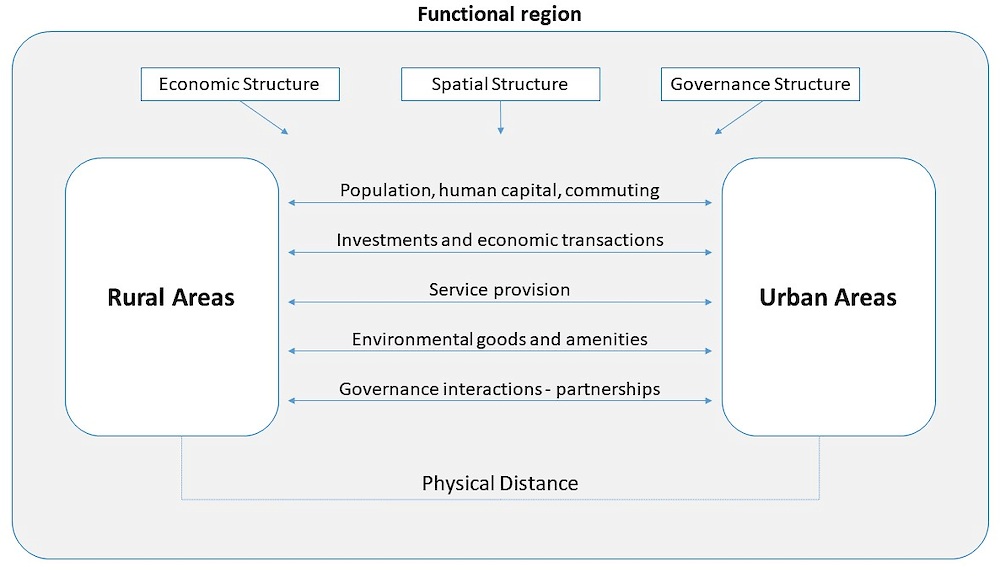
While rural and urban areas are mostly separated by traditional administrative boundaries, they are nonetheless deeply interconnected through a variety of complex relationships. These relationships originate from the differing characteristics of the rural and urban territories, enabling each to complement the other’s assets and help address the other’s shortcomings, potentially unlocking socio-economic benefits for both.

Rural-urban linkages exist across several dimensions including demographic, environmental and economic aspects . Demographic linkages include commuters and migration dynamics. This is one of prime reasons of migration.This can include young people moving from rural to urban areas for educational or career opportunities. urban retirees sometime move g to rural areas to enjoy a slower pace of life, a greater sense of community and proximity to nature. Environmental linkages can include shared assets, such as water, and amenities for public enjoyment, such as natural beauty spots. Economic linkages include a wide variety of relationships, including trade and supply-chain links between firms across the rural-urban continuum, investments and relationships around research and innovation that support the development and commercialisation of new products and services.

Source: OECD (2013[1]), Rural-Urban Partnerships: An Integrated Approach to Economic Development, https://dx.doi.org/10.1787/9789264204812-en.

Source(s)

OECD Library

Posted in Urban Studies | Leave a comment