

By Lucy Veale and Georgina Endfield, University of Nottingham, UK
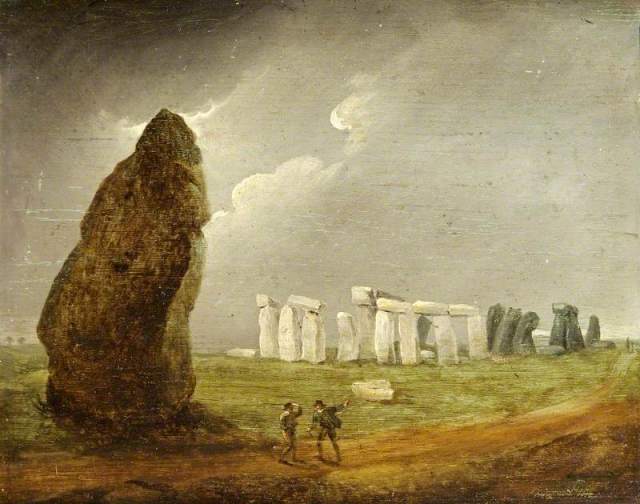 ‘Stonehenge, 2 May 1816’ by Francis Etheridge. Collection of Wiltshire Museum, Devizes.
As many people in the UK have been enjoying a brief heat wave, they have also been remembering past summers, as this year marks 40 years since the summer of 1976 – perhaps the ‘UK’s best ever summer’. Beyond living memory, this summer also marks the bicentenary of the ‘year without summer’. The summer of 1816 is famous for having been cold, wet and generally miserable in the UK (the July of that year being the coldest on record), and much worse in parts of Europe and North America. The bad weather of that summer has been associated with the eruption of Mount Tambora, Indonesia, in April 1815, the largest known volcanic eruption in recorded. An estimated 72,000 people in Indonesia lost their lives because of…
View original post 817 more words


 Rashid's Blog: A Place for Inquisitive Souls
Pinatubo’s eruption has also been noted as related to aberrations in the warming trend we have witnessed for several consecutive decades. Volcanic eruptions if large enough can alter the amount of solar energy reaching the Earth’s surface. Paleogeologists argue that the Siberian Traps, an enormous volcanic field may have been associated with mass extinction of land and sea life at the end of the Cretaceous, playing down the significance of the impact theory.
LikeLike