
Total Visitors
- 5,591,328
Search Inside
My You Tube Channel
-
Visitors on The Site

-
Join 6,678 other subscribers
Fill This Form to Contact Me
Top Posts & Pages
- Waste to Energy in India
- About Me and This Site
- Levant: The Term, The Region and Cities
- Physical Divisions of North America: An Overview
- Principle of Uniformitarianism : A Basic Principle of Geomorphology
- Migration Theories : Lee’s Push Pull Theory
- Gond Tribe of India
- The Structure of the Ocean Floor(Ocean Topography)
- Geography Study Material for NTA-NET & IAS Exams
- Scales in Geography: An Overview and Simple Method of Constructing Scales
Being Social
Pages
- Article Submission
- Basics of Geography
- Book Reviews
- Disaster Management
- Field Training and Tour
- Geography Notes
- Geography of Tourism
- Geography Study Material for NTA-NET & IAS Exams
- Geomorphology
- Geomorphology Class Black Board
- Hindi Posts
- Human Geography
- My Projects
- New UGC NET Syllabus-Geography
- Online Class
- Posts on Geography Practicals and Statistical Techniques
- Regional Studies
- Settlement Geography
- Social Geography
- Urban Agro Systems
- Urban Systems
- Useful Links
- Water Resources
- About Me and This Site
Blogroll
Digital Blackboards
My Pages
Other Sites I Am Involved With
Recommended Links
Useful Links
Capturing colour on HMS Beagle: Charles Darwin and Werner’s Nomenclature of Colours
Posted in earth
Leave a comment
What Fuel Crisis? New Aussie Call to Tax Fossil Fuel Giants for Climate Damage
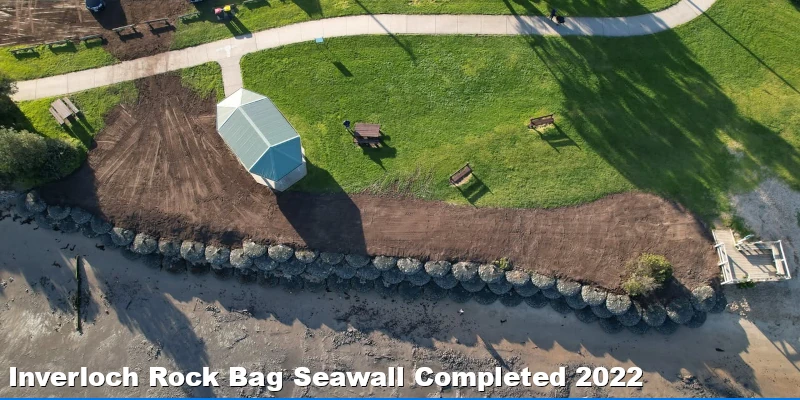
Locals ignored the advice of experts in beach sand erosion management. Now the council is blaming fossil fuel companies for the mess. The post What …
What Fuel Crisis? New Aussie Call to Tax Fossil Fuel Giants for Climate Damage
Posted in earth
Leave a comment
Urban Shift: Small Towns are Evolving from Rural-Urban Bridges to Emerging Urban Hubs
Villages are basic units of Indian Settlements.Small towns traditionally served as a transition point between the rural and urban environments; with cities now at their saturation point, small towns have become key destinations offering new locations for urban area growth. Small towns account for a third of new urbanization in India, having changed the way we view migration and job opportunity.
Role as a Transitional Area
A small town is typically characterized by having fewer than 100,000 residents; therefore, it serves to connect the rural area of the hinterland with that of a large metropolitan area. Small towns support rural migrants and metro area outmigrants through their informal economies, such as logistics and agro-processing, as well as various forms of product and service delivery through markets and service distribution. Additionally, peri-urban areas located in close proximity to urban centres expedite this rural/urban transition.
According to Griffith Taylor, towns go through a phased development.
Drivers of Urban Transition
Due to the challenges of living in a metro area (e.g., high land costs, traffic congestion, and cost of living) the push of capital and activities away from metros to small towns occurs by providing space at reduced costs and limited restrictions. Small towns represented 30% of the growth of urbanization from 2001 to 2011 (as noted by census data from 2001 to 2011). Additionally, it should be noted that the closer the small town is to a class I city, the more rapidly the population will grow. Small towns, therefore, are becoming the new centres for warehousing, construction, and service-related activities.
Implications and Policy Implications
If growth is not managed, it may lead to greater inequity within the small town and environmental degradation because small towns lack the infrastructure capacity of metro areas. To assist with managing this growth, the state of Odisha has developed a Rural-Urban Transition Policy based upon their phased support of all infrastructure in order to provide for long-term sustainable development. In addition, each of these small towns should initiate their own plans for providing necessary infrastructure to support their growth; housing, transportation, and environmental considerations must be embedded within a plan, which is fundamentally representative of a rural-urban land use pattern.
Source(s), Link(s) and Inspiration(s):
New Ruralism: Solutions for Struggling Small Towns
Rural-Urban Continuum: The Concept
Rural-Urban Linkages: The Dynamics
Tier Classification of Indian Cities and Fast Growing Urban Centres
Posted in earth
Leave a comment


