Top Six Data Collection Methods

Data is the new commodity and currency. Data collection is the process of gathering information with the aim of evaluating outcomes or gleaning actionable insights. Good data collection requires a clear process to ensure the data you collect is clean, consistent, and reliable.

Here are the top six ways of Data Collection:

Interviews

Interviews and focus groups are the most common methods of data collection. Interviews can be used to explore the views, experiences, beliefs, and motivations of individual respondents.

Questionnaires and Surveys

questionnaire is a research instrument consisting of a series of questions (or other types of prompts) for the purpose of gathering information from respondents. The questionnaire was invented by the Statistical Society of London in 1838. Questionnaires are a good way of collecting primary data.

Observations

Observation is a way of gathering data by watching behavior, events, or noting physical characteristics
in their natural setting. Observations can be overt (everyone knows they are being observed) or covert (no one knows they are being observed and the observer is concealed). The benefit of covert observation is that people are more likely to behave naturally if they do not know they are being observed. However, we need to conduct overt observations because of research ethics.


Observations can also be either direct or indirect. Direct observation is when you watch interactions, processes, or behaviors as they occur; for example, observing a game. Indirect observations are when we watch the results of interactions, processes, or behaviors; for example, measuring the amount of plate waste left by students in a school cafeteria to determine whether a new food is
acceptable to them.

Documents and records

Consists of examining existing data: databases, meeting minutes, reports, attendance logs, financial records, newsletters, etc. This can be an inexpensive way to gather information but may be an incomplete data source.

Focus groups

A focus group is a group interview of approximately six to twelve people who share similar characteristics or common interests. A facilitator guides the group based on a predetermined set of topics. The facilitator creates an environment that encourages participants to share perceptions and points of view. Focus groups are a qualitative data collection method, meaning that the data is descriptive and cannot be measured numerically

Ethnographies, Oral History, and Case Studies

Involves studying a single phenomenon. Examines people in their natural settings. Uses a combination of techniques such as observation, interviews, and surveys. It is a more holistic approach to evaluation.

Our Class Discussion

Source(s), Link(s) and Inspiration(s):
Read Here ,Here, Here, Here

Data Acquisition

Defining Spatial Data

Data Acquisition Methods

Posted in earth | Leave a comment

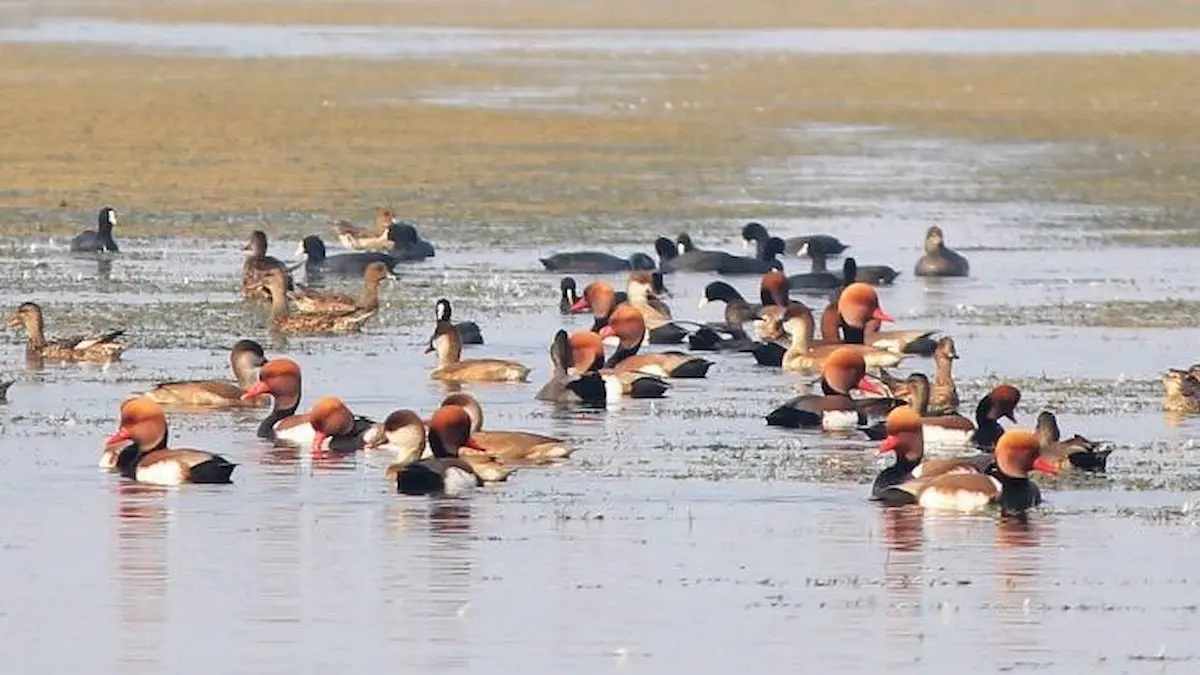
India becomes the largest holder of Ramser Sites in South Asia

On the occasion of World Wetlands Day, India became the holder of the largest network of Ramsar Sites in South Asia by adding two more sanctuaries to…

India becomes the largest holder of Ramser Sites in South Asia
Posted in earth | Leave a comment

NASA Greenland Mission Completes Six Years of Mapping Unknown Terrain

Iowa Climate Science Education's avatarIowa Climate Science Education

From NASA

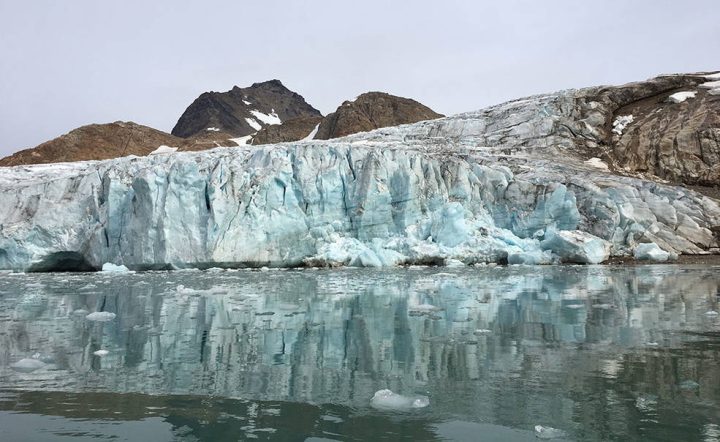
NASA?s Oceans Melting Greenland airborne mission found that Greenland?s glaciers that empty into the ocean, like Apusiaajik Glacier shown here, are at greater risk of rapid ice loss than previously understood. Credits: NASA/JPL-Caltech

To learn how ocean water is melting glaciers, NASA?s Oceans Melting Greenland mission extensively surveyed the coastline of the world?s largest island.

Teachable Moment: Greenland?s Melting Glaciers

Educator Guide: Melting Ice Experiment

The most important thing to remember about NASA?s Oceans Melting Greenland mission, which ended Dec. 31, 2021, may be its name: OMG proved that ocean water is melting Greenland?s glaciers at least as much as warm air is melting them from above. Because ice loss from Greenland?s ice sheet currently contributes more to the global rise of the oceans than any other single source, this finding has revolutionized scientists? understanding of the pace of sea level rise in the coming decades.

These new…

View original post 1,027 more words

Posted in earth | Leave a comment

Suffixes in Place Names: Origin and Meaning

 There are certain elements of settlement names that appear in many names most noticeably certain suffixes that crop up in many settlements names. Many place names share similar suffixes there is almost always some meaning associated with them.

The more prominent ones and especially the ones of the English-speaking world pop up so often that’ll make more sense.

When we look into them as these suffixes usually refer to specific features of that area a great example of this will be the suffix of mouth like we see with Portsmouth polymer and Bournemouth to name a few. This suffix refers to a place, it is the mouth of a river or large opening of water into either majority of places with the suffix of by water another example would be the Dale suffix back in Rochdale which is an old English word for a valley the mouth places . There are others in the US and other places but that’s more due to the whole British Empire thing. However in UK we have loads of play suffixes that pop up all over the country what’s interesting about these is how they do graphically laid out take the cess the suffix as an example most of these appear in the South a Midlands of England like with Winchester, Chester, Leicester Gloucester etc this comes from Latin meaning camp it makes sense this comes from Latin and it would mainly be in the more southern side of England as the Romans would their Latin would have come into the nation via the south while the B suffix is no some meaning settlement or village be seen in Derby and Grimsby which are all northern and where the Vikings would have entered a nation from though this doesn’t line up perfectly with Manchester using a variation of the the suffix being in the north and rugby being more sovereign than Leicester  too is Bury like we see of Glastonbury and Canterbury this suffix means fortified enclosure what’s interesting about the brief suffix is that has changed over time becoming borough brah , bro these suffices so wit pronounce if you just doing them on their own as with Middlesbrough and Edinburgh in Scotland however what’s interesting about this is that across the pond in the USA this suffix has changed pronunciation to become Berger like we see of Pittsburgh and Gettysburg in fact Gettysburg has taken it a step further and changed the spelling to be more phonetic to this pronunciation there’s even a new Edinburgh in Ottawa Canada and this name is often pronounced as Edinburgh as opposed to his native Scottish pronunciation aloft these common suffix is how it just means city or town in other languages which have gone on to be used in English like with viola which was originally French / Latin we see this stateside with places like Knoxville at Gainesville and Charlottesville we also have the Greek term for city which has been picked up in America polish a suffix seen in Minneapolis and Indianapolis what about in the non-english speaking world

Dutch suffix of damn like we see in Amsterdam Rotterdam and Leah damn but damn in these names reference how these cities are built by or across bodies of water in the same way we and beavers use dams while most prominent with Stockholm the home suffix is not only found in Sweden but other northern European countries too like with the Danish Bornholm and the German Dan whole this word element comes from the Old Norse Homer meaning small island which of course makes sense as Stockholm is a city built on Islands the German Dan home is literally just an island in the Baltic In The Slovak grad the grad part of these names simply mean things like town or city places were grad in their name can be found in countries like Bulgaria with his lasso grad in Croatia with by a grad there’s a municipality  in Slovenia just called grad and of course there’s the many grads of Russia Kalengrad Petrograd Leningrad however those last two names are different names for the same city which is now called Petersburg .

Posted in earth | Leave a comment