

Bhushi Dam is a masonry dam on the Indrayani River in Lonavala, Maharashtra, India.In 2014, the Indian Railways announced plans to develop Bhushi Dam as a tourist resort with participation from the private sector.
The dam was built in the late 1860s for the Great Indian Peninsular Railway as a source of water for their steam engines.As of 2014 it is owned by the Central Railway zone of the Indian Railways, the successor to the Great Indian Peninsular Railway.
Water was carried from the reservoir to Lonavala, Khandala and the reversing station of the railways by cast-iron pipes. The Railway company later agreed to supply some water to the town of Lonavala as well, because the dam had been built using Municipal funding.
In 2012, the Maharashtra State Road Development Corporation (MSRDC) proposed to construct a 9 kilometres long tunnel along the Mumbai Pune Expressway which would pass right below the Bhushi dam.
Source(s):
Wikipedia
Image Clicked by Author

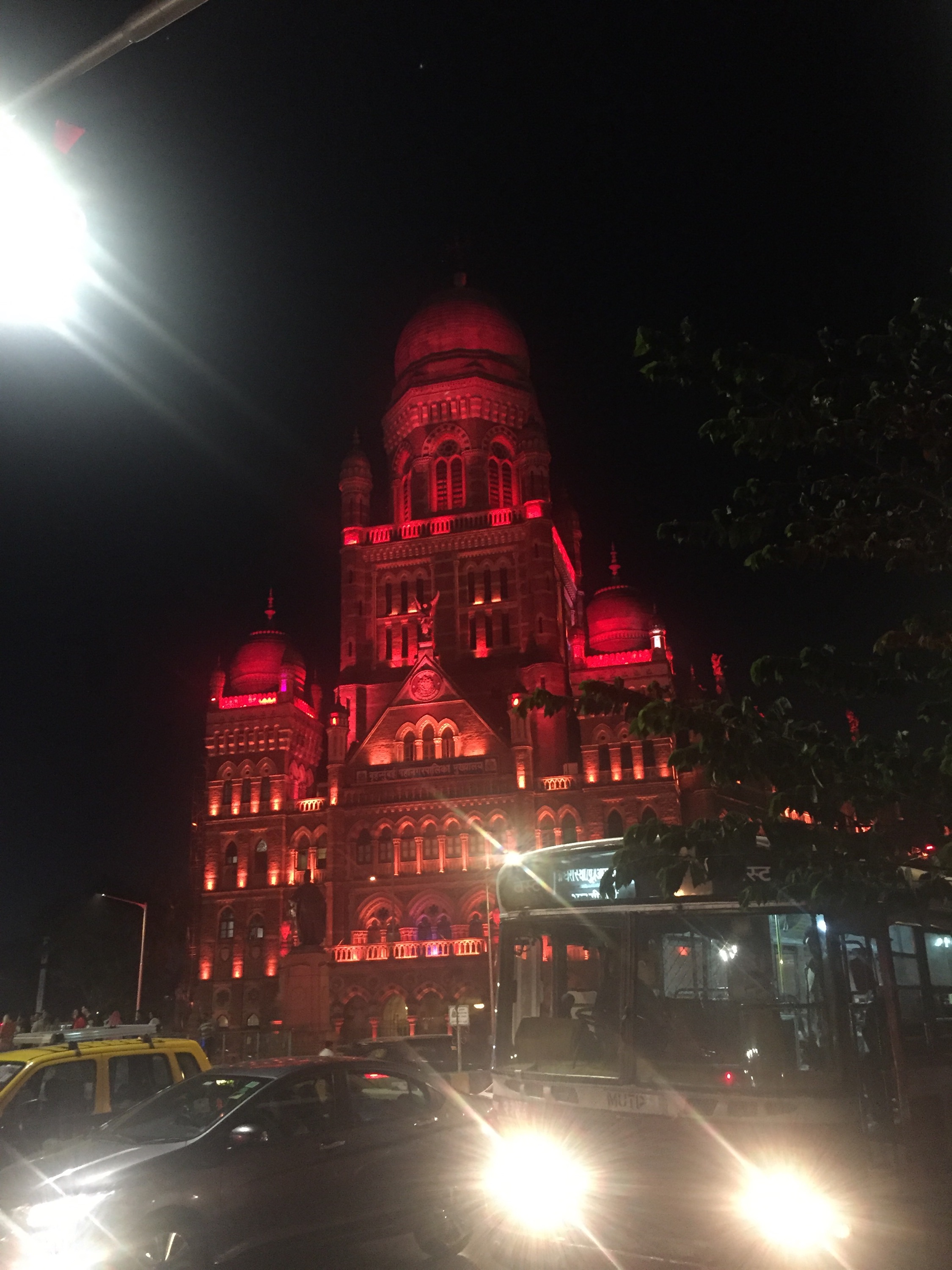
 The Chhatrapati Shivaji Terminus, formerly known as Victoria Terminus Station, in Mumbai, is an outstanding example of Victorian Gothic Revival architecture in India, blended with themes deriving from Indian traditional architecture. The building, designed by the British architect F. W. Stevens, became the symbol of Bombay as the ‘Gothic City’ and the major international mercantile port of India. The terminal was built over 10 years, starting in 1878, according to a High Victorian Gothic design based on late medieval Italian models. Its remarkable stone dome, turrets, pointed arches and eccentric ground plan are close to traditional Indian palace architecture. It is an outstanding example of the meeting of two cultures, as British architects worked with Indian craftsmen to include Indian architectural tradition and idioms thus forging a new style unique to Bombay.


 Rashid's Blog: A Place for Inquisitive Souls